
In modern businesses, dependable power is not a luxury. It supports servers, network switches, storage devices, and security equipment every hour. Rack Mount Power Systems place this protection inside the same structured cabinet as critical hardware. This arrangement can simplify installation, improve visibility, and preserve valuable floor space.
From practical deployment experience, a well-selected rack-mounted system helps teams manage unstable voltage, short outages, and overloaded circuits. Technicians can inspect connections without searching across scattered equipment. Many models also provide monitoring interfaces, battery status information, and controlled shutdown options. These details matter during a storm, maintenance event, or unexpected utility failure.
Small details matter.
However, choosing a system only by its output rating can create problems. Heat, battery replacement, rack depth, cable paths, and future expansion deserve equal attention. A compact unit may fit today but restrict tomorrow’s upgrades. That mistake is easy to make. Reliable planning requires load measurements, equipment documentation, and advice from qualified electrical or infrastructure professionals. Independent testing information and manufacturer support should also influence the decision.
Rack Mount Power Systems can strengthen operational resilience when they match the environment and the real load. They are not a universal solution. A poorly ventilated cabinet, neglected battery, or unclear maintenance plan can reduce their value. Businesses should review runtime needs, protection features, service access, and monitoring compatibility before purchasing. The best choice is practical, measurable, and maintainable—not simply the most powerful model on a product page.
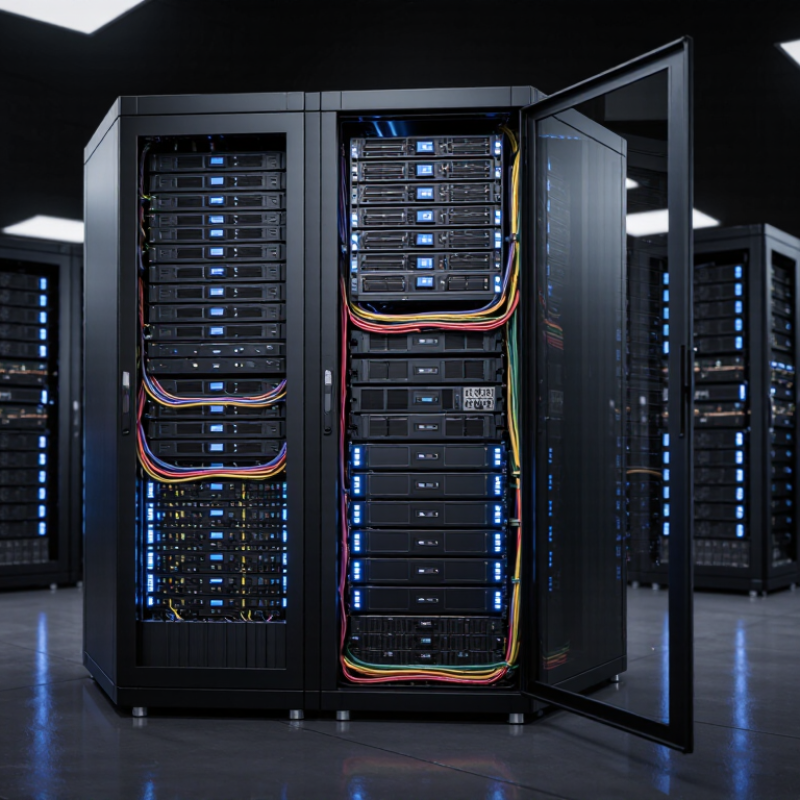
Rack mount power systems are organized electrical units designed to fit inside standard equipment racks. They distribute power to servers, network devices, storage systems, and monitoring equipment. A typical system may include power distribution modules, circuit protection, outlets, switches, and status displays. Some models also support remote monitoring through network connections.
The rack format keeps cables shorter and equipment easier to inspect. Technicians can check current load, outlet status, and temperature without searching across a crowded room. That matters. A clear layout can reduce mistakes during maintenance. In practice, power systems should be selected according to voltage, outlet type, phase requirements, and expected load. Ignoring any one of these details can create avoidable risks.
Rack mount power systems also help businesses manage limited floor space. They can support controlled shutdowns during outages when paired with suitable backup equipment. However, they are not magic. Poor airflow, overloaded circuits, or loose connections can still cause problems. Experienced technicians usually leave capacity for future equipment instead of designing for today’s demand alone. This approach costs more at first, but it can reduce disruptive changes later. Small details matter, and specifications should be verified against local electrical standards before installation.
| Data Dimension | Typical Rack Mount Power System Data | Business Value |
|---|---|---|
| Definition | A power protection or power distribution unit designed to be installed in a standard equipment rack. | Centralizes power management while preserving valuable floor and cabinet space. |
| Standard Rack Compatibility | Common models are designed for 19-inch equipment racks and may occupy approximately 1U to 4U of vertical rack space. | Supports organized installation in server rooms, network closets, and edge computing cabinets. |
| Power Distribution Capacity | Typical rack power distribution units provide multiple outlets and are commonly rated from approximately 1.5 kVA to 12 kVA, depending on the electrical configuration. | Allows several servers, switches, storage devices, and accessories to share a controlled power source. |
| Power Protection Capacity | Rack-mounted uninterruptible power systems commonly range from about 500 VA to 10 kVA for small and medium equipment deployments. | Helps maintain operation during short outages and protects connected equipment from power interruptions. |
| Input and Output Voltage | Depending on the installation, common single-phase ratings include 120 V, 208 V, 220 V, 230 V, or 240 V AC. | Makes it possible to match the power system with regional electrical infrastructure and IT equipment requirements. |
| Outlet Configuration | Outlet types and quantities vary by model; common configurations include 8 to 24 outlets, with combinations of IEC or local socket standards. | Simplifies cable management and reduces the need for loose power strips inside the rack. |
| Redundancy Options | Higher-availability installations may use dual power inputs, separate power feeds, or A/B power distribution paths. | Reduces the risk that one circuit, power device, or maintenance activity will interrupt critical equipment. |
| Monitoring and Control | Advanced systems may measure voltage, current, power, energy consumption, outlet status, and environmental conditions through a network interface. | Improves visibility, capacity planning, troubleshooting, and remote administration. |
| Transfer Time | Online UPS designs can provide zero-break transfer, while line-interactive designs commonly transfer in a few milliseconds during a utility failure. | Helps prevent equipment resets, data loss, and service interruptions during power disturbances. |
| Battery Runtime | Runtime varies with load and battery capacity; many standard configurations provide several minutes of backup at full load and longer runtime at reduced load. | Provides time for automatic shutdown, orderly recovery, or transition to standby generation. |
| Efficiency | Modern UPS systems often achieve operating efficiencies above 90%, with exact performance depending on operating mode and load level. | Can reduce energy waste, heat output, and cooling demand in continuously operating facilities. |
| Scalability | Rack systems can be expanded by adding units, increasing battery capacity, or installing additional distribution paths, subject to site limits. | Supports gradual business growth without requiring a complete redesign of the power infrastructure. |
| Typical Applications | Data centers, network rooms, telecommunications cabinets, security systems, industrial control equipment, and edge computing locations. | Provides a compact and structured power solution for business-critical electronic equipment. |
| Maintenance Considerations | Routine checks may include load monitoring, battery testing, ventilation inspection, firmware updates, and electrical safety inspections. | Helps extend service life and maintain dependable operation. |
Note: Specifications are typical industry ranges and may vary according to system architecture, electrical standards, connected load, installation conditions, and battery configuration.
It is an electrical unit fitted inside a standard equipment rack. It distributes power to servers, network devices, storage systems, and monitors.
Common parts include outlets, switches, circuit protection, power modules, and status displays. Some systems support network-based remote monitoring.
Measure each device’s watts, startup demand, and power factor. Leave at least 20% spare capacity for future equipment.
Overloaded racks can restrict airflow and raise temperatures. Heat may shorten equipment life and increase operating costs.
Check voltage, outlet type, phase requirements, input connections, and expected load. Confirm compatibility with local electrical standards.
Compare transfer time, redundancy, battery runtime, alarm visibility, and controlled shutdown support. Longer runtime is not always the best choice.
No. Online systems usually provide cleaner power, but they can create more heat and cost more to operate.
Review battery replacement periods, service access, test procedures, and disposal costs. A cheaper purchase may become expensive later.
Shorter cables and clear layouts make current, temperature, and outlet checks easier. Technicians can find problems faster. Small details matter.
Designing only for today’s equipment can force disruptive changes later. I might overvalue compactness and underestimate future demand.
Rack Mount Power Systems are purpose-built power solutions designed to fit neatly into standard equipment racks, helping businesses distribute, protect, and manage electricity for servers, networking devices, storage systems, and other critical equipment. By combining organized installation with dependable power delivery, they support continuous business operations, reduce cable clutter, and make it easier to monitor and maintain essential infrastructure. They can also help organizations respond efficiently to changing power requirements as systems expand.
When evaluating Rack Mount Power Systems, businesses should consider capacity, power efficiency, monitoring features, physical compatibility, scalability, safety protections, and ease of maintenance. These systems are commonly used in data centers, office server rooms, telecommunications environments, security installations, and industrial control areas. Deployment planning should account for rack space, ventilation, electrical load, backup requirements, network connectivity, and future growth. Choosing the right solution can improve equipment reliability, simplify infrastructure management, and contribute to a more resilient and organized technology environment.