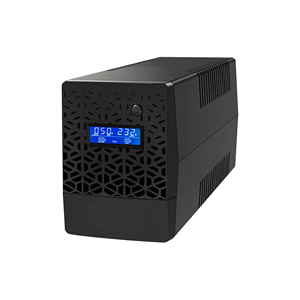

Precision-engineered backup power units optimized for high availability, zero transfer latency, and critical infrastructure protection.
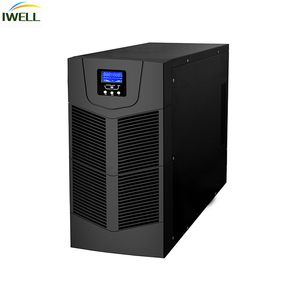
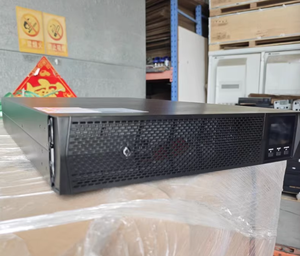
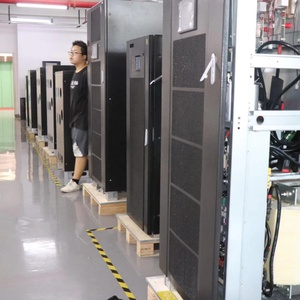
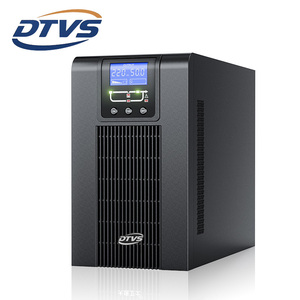
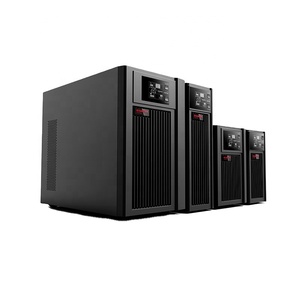
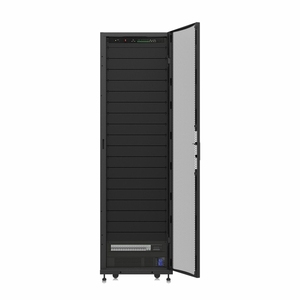
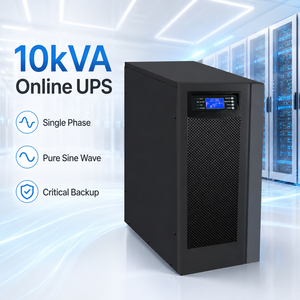
Navigating complex power quality challenges demands direct access to tier-1 manufacturing capabilities, rigorous quality controls, and customized power topology engineering.
Every single power unit, from 650VA offline workstations to 60KVA 3-Phase industrial double-conversion online systems, undergoes a mandatory multi-stage thermal chamber burn-in test. We verify dynamic transient responses, Total Harmonic Distortion (THDi < 3%), and inverter isolation specs prior to export dispatch.
Leveraging over two decades of power electronics refinement, our R&D engineering team provides bespoke input/output voltage configuration (110V/220V/380V/400V/415V at 50Hz/60Hz), custom rack-mount physical layouts, dynamic bypass logic, and proprietary SNMP/Modbus smart monitoring integration for data center orchestrations.
Fully accredited under ISO 9001:2015 standards, our export line compliance portfolio encompasses CE, UL 1778, IEC 62040-1/2, and RoHS directives. Procurement buyers receive complete factory acceptance test (FAT) reports, CAD mechanical profiles, and thermal emission profiles for seamless engineering audit approval.
Selecting the ideal uninterruptible power configuration requires evaluating load criticality, total cost of ownership (TCO), efficiency curves, and transfer timing requirements.
| Power Topology | Target Load Application | Transfer Latency | Output Waveform | Typical Efficiency |
|---|---|---|---|---|
| Offline / Standby (DSP) | Home Office, Workstations, SOHO Routers | 2ms - 10ms | Simulated / Modified Sine Wave | 95% - 98% (Normal Line) |
| Line-Interactive | Corporate PCs, Peripheral Servers, Telecom Switches | 2ms - 4ms | Pure Sine Wave (AVR Boost/Buck) | 94% - 96% |
| Online Double-Conversion (1-Phase) | Edge Servers, Mission-Critical IT, EU Data Cabinets | 0 ms (Zero Delay) | Pure Sine Wave (THD < 2%) | 90% - 94% (Up to 98% ECO mode) |
| Industrial 3-Phase Online (10KVA-60KVA+) | Data Centers, Healthcare Diagnostics, Heavy Automation | 0 ms (Zero Delay) | Isolated Pure Sine Wave | 95% - 97% (Wide Voltage Input) |
Understanding the transition vector of uninterruptible power equipment is critical for enterprise procurement officers and system integrators planning 5 to 10-year technology cycles.
Traditional Valve-Regulated Lead-Acid (VRLA) energy storage options are systematically giving way to high-density LiFePO4 battery modules. Lithium-based UPS architectures deliver up to 3x the lifecycle endurance (3000+ deep discharge cycles), cut physical footprint by 60%, and drastically reduce total weight—making them essential for high-density rack environments, modular data center containers, and remote telecom installations.
The incorporation of Silicon Carbide (SiC) MOSFETs and Gallium Nitride (GaN) switching circuits into modern Online Double-Conversion UPS designs allows for dramatically higher switching frequencies. This technical evolution cuts thermal dissipation by up to 40%, enables significantly smaller magnetic components, and drives operating efficiency metrics past 97%, substantially lowering PUE (Power Usage Effectiveness) in enterprise facilities.
Procurement standards now prioritize edge-computing capabilities embedded directly within the UPS management architecture. Real-time predictive maintenance algorithms monitor internal capacitor degradation, battery cell internal impedance, fan thermal footprints, and grid disturbance patterns. Automated alerts via IoT telemetry prevent unexpected power loss before critical component end-of-life occurs.
Next-generation industrial UPS systems are evolving from passive backup hardware into active grid participants. Through smart bidirectional inverters, high-capacity UPS setups can store off-peak renewable solar power and feed energy back into enterprise microgrids during peak-tariff windows, transforming emergency infrastructure into a dynamic revenue-generating peak-shaving asset.
Detailed answers to technical, commercial, and logistical inquiries raised by international power electronics buyers.
Offline (Standby) systems route utility power directly to the load during normal conditions and switch to battery power via internal relays when utility fails (transfer time: 2-10ms). Line-Interactive systems feature an Automatic Voltage Regulator (AVR) to correct minor voltage sags/surges without draining the battery. Online Double-Conversion systems continuously convert AC input to DC, and then back to AC pure sine wave power. This ensures zero transfer latency (0ms), absolute isolation from line noise, frequency spikes, and harmonic distortion—making Online UPS mandatory for sensitive IT servers and mission-critical industrial medical equipment.
To calculate capacity requirements, sum the maximum wattage (W) of all equipment to be protected. Account for power factor (PF); modern enterprise online UPS units feature high PF (0.9 to 1.0 Unified Power Factor), meaning a 3KVA unit handles 2700W to 3000W real load. We recommend sizing the UPS capacity to operate at 60%-80% of total rated load to accommodate dynamic inrush currents, future equipment expansions, and optimal system efficiency curves.
Yes. As a primary China manufacturer and global exporter, we engineer systems tailored to international grid standards: 110V/120V single-phase for North America, 230V 50Hz single-phase for EU/UK/Asia/Africa, as well as 380V/400V/415V 3-phase industrial configurations. Both 50Hz and 60Hz frequency auto-sensing or frequency conversion modes (50Hz to 60Hz or vice versa) are natively engineered into our DSP controller firmware.
Standard off-the-shelf single-phase rack and tower UPS models typically ship within 7-14 business days. For customized multi-cabinet 3-phase industrial online units or OEM custom brand assemblies, lead times generally range between 2 to 4 weeks. Customization covers silk-screened brand logos, custom LCD display language localizations, customized external battery cabinet connection terminals, dry contact cards, and RS485/SNMP remote control modules.
All products follow a stringent 5-stage ISO 9001 quality check: incoming component inspection (IQC), PCB surface-mount testing (IPQC), full dynamic functional calibration, high-temperature load burn-in testing (FQC), and final pre-shipment isolation and drop-testing (OQC). Every metal-enclosed industrial unit is covered by a standard 1 to 3-year factory warranty, backed by direct technical access to our senior engineering response team.
Whether you require a single high-capacity 10KVA/20KVA/60KVA industrial backup system or a multi-container OEM product line for worldwide distribution, our application engineers are standing by to review your technical RFQ.