
Engineered for high-availability telecom base stations, microgrids, data centers, and remote industrial nodes. Explore our precision-manufactured OEM/ODM power distribution and battery storage modules.
The global telecommunications landscape is undergoing a radical paradigm shift driven by the expansion of 5G Standalone (SA) networks, preliminary 6G R&D, edge computing deployment, and the decarbonization of remote tower infrastructure. Modern telecom operators and infrastructure integrators are no longer looking for mere off-the-shelf components; they require highly integrated, resilient, and custom-tailored OEM/ODM power solutions capable of continuous operation in extreme climatic conditions.
Power reliability remains the single greatest operational expenditure factor for carrier-grade networks. A single minute of base transceiver station (BTS) downtime can trigger cascading network outages, financial penalties, and compromised critical communications. Consequently, procurement strategies have evolved from reactive component purchasing to strategic OEM/ODM engineering partnerships. Sourcing from certified manufacturing facilities with documented supply chain transparency, ISO 9001:2015 quality standards, and compliance with global regulatory frameworks (including TAA and CE) is now mandatory.
This whitepaper provides an exhaustive technical analysis of telecom energy storage systems (ESS), prefabricated compact substations, high-speed dual-power switching systems, and custom power enclosure topologies. Designed for Chief Technology Officers, Procurement Directors, and Infrastructure Engineers, this document details the engineering specifications, future procurement benchmarks, and manufacturing capabilities required to build resilient telecommunications networks through 2035.
A rigorous examination of electrical engineering topologies, energy densities, dynamic power transfer mechanisms, and structural housing standards essential for mission-critical infrastructure.
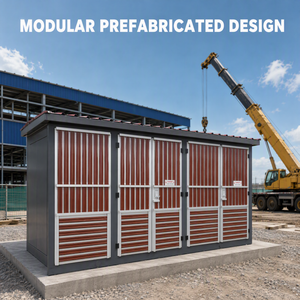
Box-type American and European-style outdoor prefabricated substations represent the backbone of medium-to-high voltage power distribution for macro telecom towers and regional data centers. Integrating high-voltage switchgear, step-down transformers, and low-voltage distribution panels into a single weather-tight (IP54/IP65) steel enclosure, these units reduce site installation timelines by up to 70%.
Engineered to handle severe transient surge currents, these substations maintain nominal step-down conversion efficiencies exceeding 98.5%. With internal climate control, SF6 or eco-friendly gas-insulated switchgear (GIS), and remote SCADA monitoring interface capabilities, they provide reliable primary power feed isolation under hostile thermal ranges (-40°C to +55°C).
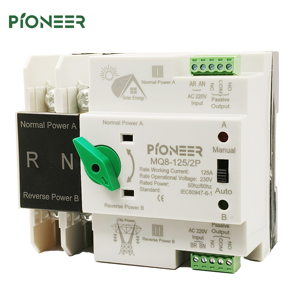
Uninterrupted power transition between utility grids and auxiliary diesel generators or battery energy storage systems (BESS) relies on solid-state or high-speed electromechanical ATS units. Operating at nominal current thresholds from 100A 2P single-phase up to 4000A three-phase configurations, modern telecom ATS units guarantee transfer speeds within 8 to 16 milliseconds.
This sub-cycle transfer window prevents the de-synchronization of sensitive rectifiers and DC-DC power supplies powering 48V core network switches. Built-in dual-power sensing microcontrollers continuously monitor phase displacement, voltage drop, and frequency fluctuations, executing automatic failover commands without human intervention.
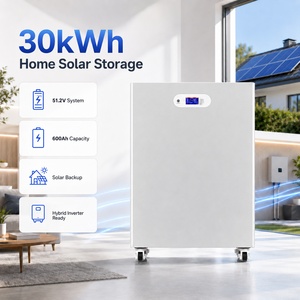
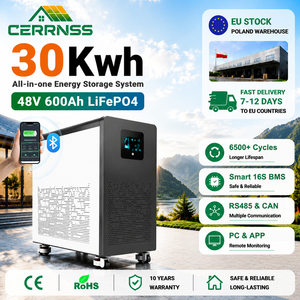
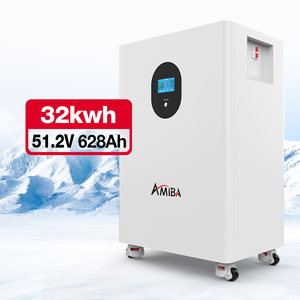
Lithium Iron Phosphate (LiFePO4) chemistry has decisively displaced legacy Valve-Regulated Lead-Acid (VRLA) batteries across global telecom networks. Offering a volumetric energy density of over 140 Wh/kg, 6,000+ deep discharge cycles at 80% DoD, and superior thermal stability, 51.2V (16S) stackable and rack-mounted battery modules (100Ah, 280Ah, 300Ah, 600Ah) form the secondary energy storage core.
Equipped with intelligent Battery Management Systems (BMS) featuring integrated Bluetooth, CAN 2.0B, and RS485 communication protocols, these battery packs provide real-time cell-level voltage balancing, passive/active equalization, short-circuit protection, and predictive state-of-charge (SoC) calculations.
| Infrastructure Class | Nominal Voltage Range | Thermal Operating Limits | Protection Rating | Primary Telecom Application |
|---|---|---|---|---|
| Prefabricated Box Substation | 10 kV – 35 kV AC | -40°C to +55°C | IP54 / IP65 Outdoor | Primary grid step-down for central telecom switching centers & industrial parks. |
| Automatic Transfer Switch (ATS) | 110V / 230V / 400V AC (100A-400A) | -25°C to +70°C | IP20 Internal / NEMA 3R Box | Fail-safe switching between primary grid and backup genset/solar ESS. |
| Stackable Telecom LiFePO4 ESS | 48V / 51.2V DC (100Ah – 600Ah) | -20°C to +60°C | 19-Inch Rack Mount / IP65 | Deep-cycle backup power for 5G BTS, micro-cells, and off-grid remote towers. |
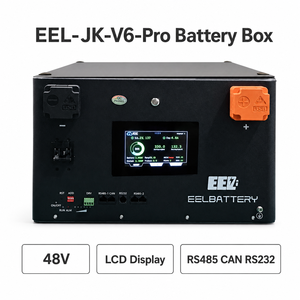
| DIY Modular Battery Box Enclosures | 48V / 51.2V Configuration (280Ah-314Ah) | -10°C to +50°C | Powder-Coated Steel Chassis | Custom site builds, rapid field repairs, and scalable enterprise backup installations. |
Standard off-the-shelf power supplies often fail in telecom deployments due to fixed mechanical profiles, rigid thermal thresholds, and lack of specialized BMS integration protocols. Partnering with a dedicated OEM/ODM manufacturer allows enterprise buyers to co-engineer custom internal busbar layouts, spec custom input-voltage operating windows (down to 85 Vac or up to 30 kVdc), and incorporate tailored communication firmware to match existing network monitoring software seamlessly.
Analysis of macro-economic shifts, regulatory compliance imperatives, and technological trends shaping global telecom procurement strategy over the next decade.
Global operators are diversifying away from single-source manufacturing hubs. Sourcing from factories adhering to Trade Agreements Act (TAA) compliance guidelines, backed by ISO 9001:2015 quality assurance, ensures non-interrupted procurement channels, protection against tariff volatility, and compliance with government-mandated defense and security infrastructure standards.
The transition from standard 280Ah cells to 314Ah+ high-capacity LFP prismatic cells represents a major leap in spatial efficiency. Telecom operators can achieve a 20% increase in energy storage capacity within the identical 19-inch rack footprint, drastically lowering real-estate costs for urban small-cell sites.
With electricity grid expansions lagging in developing regions, remote telecom towers are increasingly powered by hybrid PV-LiFePO4 setups. Procurement contracts now demand integrated Maximum Power Point Tracking (MPPT) solar charge controllers built directly into smart battery management enclosures, eliminating third-party component incompatibilities.
Technological innovations transforming hardware durability, operational intelligence, and conversion efficiencies.
Next-generation battery management systems are evolving beyond basic protection circuits. Incorporating onboard microprocessors running machine learning models, modern BMS units analyze internal cell impedance, ambient humidity, and discharge thermal curves to predict cell degradation before failure occurs, transmitting real-time diagnostics via IoT gateways.
High-frequency 5G beamforming arrays and sensitive microwave backhaul units demand clean DC power. OEM suppliers are advancing wide-adjust linear-regulated DC power conversion topographies that achieve near-zero ripple and low electromagnetic interference (EMI), protecting signal fidelity across dense urban environments.
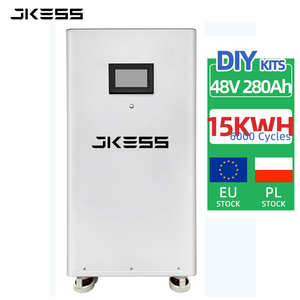
To reduce international shipping volumes and import tariffs, exporters are offering modular DIY chassis kits (such as 16S 48V stackable battery boxes). System integrators can import precision-machined steel enclosures and smart BMS units, assembling locally-sourced cells to optimize supply chain tax efficiencies.
Combining nearly seven decades of American engineering heritage with scalable global manufacturing facilities to deliver uncompromised quality, rapid lead times, and certified reliability.
Established in 1957, our engineering foundation is built on millions of delivered power supplies and energy systems. We cater to the world's most demanding sectors: aerospace, defense, telecommunications, semiconductor fabrication, and heavy energy distribution.
Unlike distributors who ship aged, deteriorating warehouse inventory, our production line operates on a dynamic build-to-order model. Over 1,000,000 standard and modified model configurations are freshly assembled, burn-in tested, serialized, and shipped within 3 business days.
When you contact our facility, you skip automated call centers and deal directly with experienced application engineers. We offer complete custom electrical topology design, mechanical chassis tailoring, custom busbar fabrication, and customized BMS firmware development.
Ready to Co-Engineer Your Custom Telecom Power Solution?
Contact UsClear, direct technical answers regarding lead times, compliance certifications, custom modifications, and international shipping protocols.
Standard catalog configurations and lightly modified OEM power supply modules are freshly manufactured, burn-in tested, and dispatched within 3 business days. Complex custom multi-output power systems, high-capacity 30kWh+ LiFePO4 rack systems, or prefabricated 35kV outdoor substations typically ship within 9 to 15 business days depending on specific drawing approvals and custom metalwork engineering requirements.
Yes. All standard and custom power equipment units are designed, assembled, and tested in our ISO 9001:2015 certified manufacturing facilities located in Easton, Pennsylvania, and Melbourne, Florida, USA. Our hardware complies fully with Trade Agreements Act (TAA) procurement standards, CE safety guidelines, UL 508 regulations, and relevant IEEE power distribution parameters.
Our 16S 48V/51.2V LiFePO4 energy storage systems come standard with multi-protocol BMS communication interfaces including CAN 2.0B, RS485, and RS232. Pre-loaded firmware protocols support seamless plug-and-play integration with major telecom inverter brands (e.g., Victron, SMA, Deye, Growatt) and can broadcast live register data (SoC, Cell Voltages, Temperature Alerts) directly to centralized network operation center (NOC) SCADA software.
Absolutely. We specialize in engineering NEMA 4X, IP65, and IP66 rated weather-tight, corrosion-resistant enclosures. Options include heavy-duty powder-coated steel, marine-grade aluminum, or stainless-steel chassis equipped with integrated climate control systems (heat exchangers, thermoelectric coolers, or internal heating pads) to ensure continuous operation across ambient temperatures ranging from -40°C up to +60°C.
All metal-enclosed power supplies, regulated linear systems, and switching power units carry an industry-leading 5-year comprehensive warranty. Our LiFePO4 battery storage enclosures and battery management systems are backed by standard 5-year to 10-year prorated warranties based on operating cycle profiles and environmental deployments.
We support both low-volume prototype commissioning and high-volume enterprise deployments. We have no rigid MOQ constraints for prototype engineering runs, allowing engineering teams to order single evaluation units prior to committing to full fleet deployment procurement contracts.
From high-voltage 35kV compact substations to 51.2V rack-mounted LiFePO4 energy storage systems, leverage 68+ years of manufacturing excellence to secure your energy infrastructure.