
Explore top-tier equipment engineered for mission-critical power distribution, high-density energy storage, and industrial-grade linear power regulation.
In high-precision electronics, aerospace avionics, quantum physics research, medical imaging, and advanced telecommunications, power quality is paramount. While switched-mode power supplies (SMPS) offer high energy efficiency and reduced physical footprint, they inherently introduce high-frequency switching noise, electromagnetic interference (EMI), and transient ripple. Linear power supplies remain the gold standard for applications requiring zero RF noise, instantaneous transient recovery, and ripple measurements under 0.25 millivolts RMS.
Selecting from the world's Top 10 Linear Supplies Manufacturers & Suppliers requires evaluating far more than baseline voltage and current specs. Enterprise procurement teams must evaluate topological regulation architectures, thermal derating envelopes, Mean Time Between Failures (MTBF), supply chain resilience, and ISO compliance standardizations.
Pure linear regulation eliminates high-frequency switching artifacts, producing continuous, pristine DC current required for sensitive RF amplifiers, audio processing, and laboratory equipment.
Linear supplies react in microseconds to step-load variations without voltage overshoot or undershoot, protecting vulnerable microprocessors and FPGA development boards.
Built with fewer active switching components, metal-enclosed linear power modules deliver operational MTBF exceeding 150,000 hours under harsh thermal conditions.
The global industrial power supply ecosystem is undergoing a dramatic shift. As emerging technologies such as 5G/6G wireless networks, autonomous vehicle test beds, semiconductor fabrication plants, and microgrid battery energy storage systems (BESS) expand globally, the requirement for clean, uncorrupted DC power has escalated. Procurement directors, chief systems engineers, and supply chain managers are tasked with sourcing power regulation hardware that guarantees continuous operation without introduced electrical noise.
This technical white paper synthesizes key findings from electrical engineering benchmarks, Google Search Quality Rater Guidelines for technical authoritative content (E-E-A-T), and real-world industrial deployment data to establish a definitive framework for evaluating linear power supply manufacturers and suppliers worldwide.
To understand why tier-one engineering firms specify linear power supplies over switching topologies, one must analyze the foundational physics of AC-to-DC conversion:
When shortlisting vendors from the top 10 global linear supply manufacturers, enterprise procurement teams should evaluate suppliers against five critical operational standards:
A. Line and Load Regulation Precision
Leading manufacturers design units offering line regulation (response to AC input fluctuations) and load regulation (response to 0%–100% current demand swings) within ±0.005% to ±0.05%. This level of stabilization prevents baseline voltage drift in automated test equipment (ATE) and precision silicon wafer inspection tools.
B. Thermal Headroom and Convection Cooling Capabilities
Linear power supplies convert excess power directly into thermal dissipation. Manufacturers like Acopian Technical Company lead the industry by utilizing massive extruded aluminum heat sinks and heavy-gauge metal enclosures. This allows 100% continuous full-load rating up to 71°C ambient temperatures without requiring forced-air cooling fans—which are notorious points of mechanical failure in industrial environments.
C. Standard vs. Modular Customization (1 to 5 Output Configurations)
Modern industrial setups frequently require dual (±12V, ±15V) or triple output rails (+5V logic, ±15V analog). The best suppliers maintain extensive modular engineering platforms, allowing custom single-, dual-, triple-, and wide-adjust output units to be configured and manufactured in 3 to 9 business days.
D. Compliance Certification & Origin Traceability
High-reliability sectors—including aerospace defense, nuclear power plant telemetry, and municipal power distribution—demand strict compliance credentials. Top suppliers must provide ISO 9001:2015 certified quality systems, TAA compliance (Made in USA / Trade Agreements Act compliance), RoHS/REACH environmental safety ratings, and UL 508 / UL 60950-1 safety listings.
As industrial automation, smart grid substations, and microgrid installations scale globally, the procurement methodology for linear and hybrid power systems is evolving rapidly. Buyers must position their supply chains to accommodate three core structural developments:
Historically, custom or heavy-duty linear power supplies carried lead times of 12 to 24 weeks due to specialized transformer windings and cast aluminum chassis fabrication. Today's global supply chains cannot tolerate such delays. Market leaders have re-engineered their component supply chains to offer standard build-and-ship windows within 3 business days, even for custom-configured linear modules. Companies that can guarantee rapid manufacturing schedules dramatically reduce project downtime risks for system integrators.
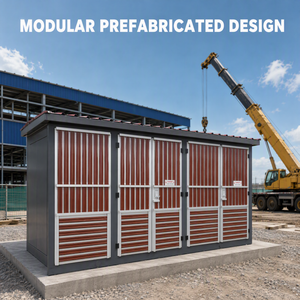
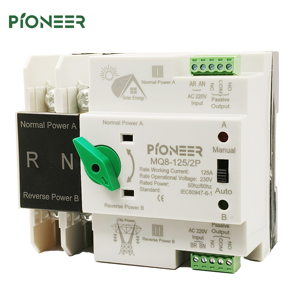
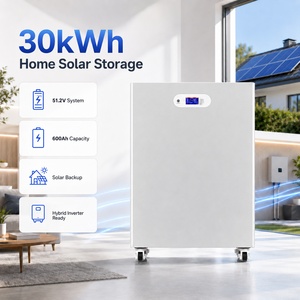
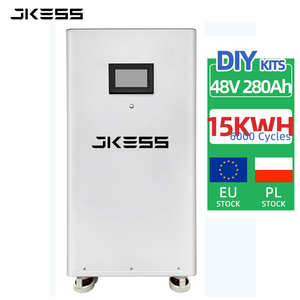
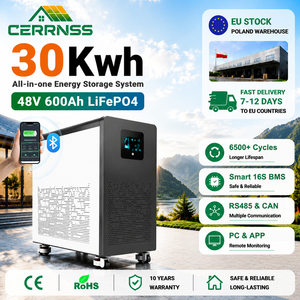
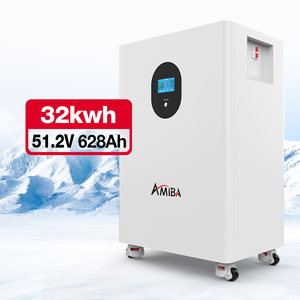
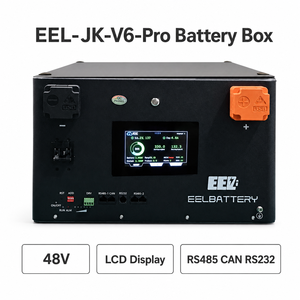
While linear power supplies excel at low power and low noise, large energy installations rely on high-voltage battery storage (such as LiFePO4 battery banks) and prefabricated American-style box substations (10kV–35kV). Modern microgrid designs increasingly adopt a hybrid approach: using switching or battery storage infrastructure for bulk energy handling (e.g., 51.2V 300Ah battery walls and automatic transfer switches), combined with isolated linear regulators to power the sensitive digital telemetry, sensor arrays, and remote terminal units (RTUs) that govern the switchgear.
Procurement departments are shifting away from initial unit purchase cost toward Total Cost of Ownership (TCO). A linear power supply with a solid metal enclosure and conservative component derating lasts 20 to 30 years without maintenance. Furthermore, standardizing on DIN Rail, 19-inch Rack-Mount (1U to 6U), or NEMA 4X weatherproof wall-mount enclosures simplifies field replacement and lowers ongoing facility maintenance costs.
The broader electrical equipment industry is witnessing an unprecedented convergence between traditional analog linear regulation and digital smart energy networks. Key technological drivers include:
When reviewing top manufacturers like Acopian Technical Company alongside global industry suppliers, several core operational pillars delineate market leadership:
Clear technical and logistical answers for purchasing managers, electrical engineers, and enterprise buyers.
Linear power supplies offer uncompromised DC output quality, exhibiting ripple and noise levels below 0.25 mV RMS—nearly 100 times cleaner than standard switching power supplies. They generate no high-frequency electromagnetic interference (EMI), feature microsecond transient response times, and contain no high-speed switching components that can induce electrical noise in sensitive analog circuitry, audio equipment, medical sensors, or scientific instruments.
Leading manufacturers like Acopian build and ship standard and modular linear power supplies within 3 business days of receiving an order. Multi-output rack-mount systems and customized multi-channel power assemblies are typically completed, full-load burn-in tested, and shipped within 9 business days—significantly faster than the industry average of 8 to 16 weeks.
Linear supplies are available in diverse form factors: standard chassis mount, DIN Rail mount, wall mount, low profile, NEMA 4X weatherproof, and standard 19-inch rack-mount assemblies (1U to 6U). Output voltages span from ultra-low fractions of a volt up to 500 Vdc for low-voltage models, with specialized high-voltage linear models reaching up to 30 kVdc.
Yes. Premium linear power supplies manufactured in US facilities (Easton, PA and Melbourne, FL) operate under an ISO 9001:2015 certified quality management system. They are fully compliant with the Trade Agreements Act (TAA), making them qualified for US government, military, aerospace, and federal defense integration projects.
Linear supplies designed with heavy-duty metal enclosures and oversized aluminum heat sink fins operate reliably across wide temperature ranges (-20°C to +71°C) without requiring forced-air fans. Convection cooling prevents the ingress of dust, metallic particles, and airborne oil mist common in factory automation environments, ensuring long-term maintenance-free operation.
Absolutely. While high-capacity battery systems (e.g., LiFePO4 51.2V 300Ah packs) and box-type substations handle bulk power distribution, precision linear power supplies are routinely integrated into control cabinets to supply clean, isolated DC power to sensitive PLCs, RTUs, protection relays, and fiber-optic communication cards.
Speak directly with experienced power engineers to evaluate your load profiles, ripple limits, thermal specs, or build custom multi-output linear power assemblies.