
Explore our high-reliability power conditioners, precision DC compressor air units, rack monitoring systems, and off-grid climate solutions engineered for mission-critical deployments.
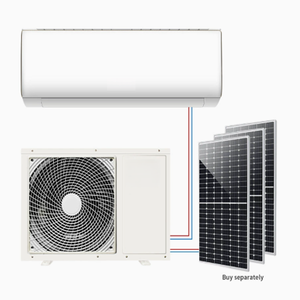
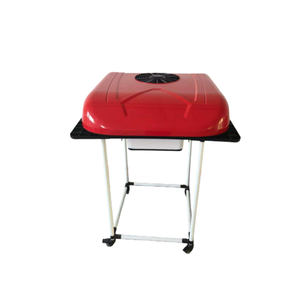
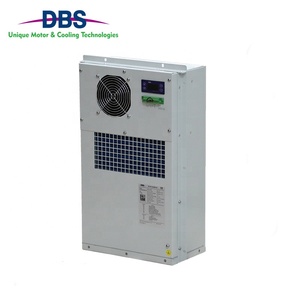
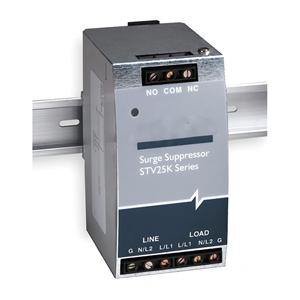
In modern industrial operations, high-density data processing, mobile heavy transportation, telecommunications, and defense electronics require an unwavering foundation of electrical purity and precise thermal control. Electrical energy delivered by global utilities or remote microgrids is rarely clean; it suffers from transient voltage spikes, harmonic distortion, frequency drift, sagging, and phase imbalances. Simultaneously, heat generation inside micro-module racks and industrial control cabinets poses an immediate threat to sensitive circuitry.
As a leading power conditioning factory and global exporter, our engineering framework merges advanced solid-state voltage regulation with high-efficiency direct current (DC) environmental management. Providing pure sine wave power without tight thermal control creates operational vulnerability; similarly, deploying precision air conditioning without clean voltage supply exposes compressors and electronic control units (ECUs) to premature failure. This technical whitepaper explores the critical intersection of electrical quality, system topology, procurement trends, and factory manufacturing standards required for 2025 and beyond.
Achieving 99.999% ("five nines") reliability demands robust design across six distinct technical modules. Our factory integrates these elements directly into standardized chassis and bespoke OEM hardware assemblies:
Multi-stage hybrid suppression networks incorporating metal oxide varistors (MOVs) and silicon avalanche diodes to isolate sensitive microprocessors from 10kV grid strikes.
Total Harmonic Distortion (THD) attenuation down to <3%, ensuring linear DC converters and heavy AC inductive loads operate without thermal buildup or magnetic saturation.
Direct 12V, 24V, and 48V DC variable-speed inverter compressors eliminating double AC-DC-AC inverter losses in mobile, off-grid solar, and telecom applications.
SPCC cold-rolled steel enclosures equipped with integrated UPS power modules, environmental sensors, and N+1 redundant internal cooling channels.
Ultra-wide input power stages (85 VAC to 264 VAC, or 10 VDC to 36 VDC) guaranteeing smooth regulation during extreme utility brownouts or battery depletion curves.
Standardized modular architecture supporting build-to-order dispatch within 3 to 9 business days, supported by complete CAD, STEP, and schematic files.
Selecting the appropriate electrical and thermal defense topology requires balancing conversion efficiency, output noise, weight, and environmental tolerance. The following matrix illustrates key engineering parameters across primary power conditioning and environmental control systems:
| System Topology | Input Voltage Scope | Voltage Regulation Accuracy | Typical Efficiency | Best Applied Environment |
|---|---|---|---|---|
| Solid-State Power Conditioner (STV Series) | 100V – 280V AC (Single Phase) | ±1.0% Pure Sine Wave | 98.5% | Process Automation, Medical Scanners, Laboratory Calibration Racks |
| 48VDC Cabinet Air Conditioner (AC800W) | 40VDC – 58VDC Direct Input | Precise Thermal Tuning (±0.5°C) | COP > 3.2 (Energy Saving) | Telecom Enclosures, Edge Data Compute Cabinets, Outdoor Solar Nodes |
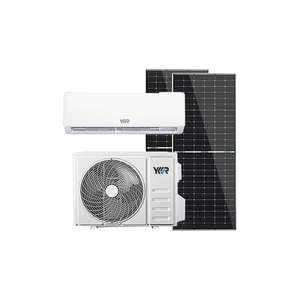
| Off-Grid Hybrid Solar AC/DC Monoblock | Dual Input: 90-360V DC (Solar) / AC Grid | Direct MPPT Bus Drive | 97% Conversion Efficiency | Remote Telecom Towers, Off-Grid Commercial Infrastructure, Agricultural Hubs |
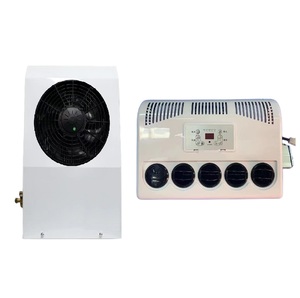
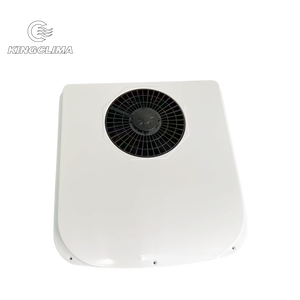
| 12V/24V Heavy Duty Parking Cooler | 10.5VDC – 30VDC Vehicle Battery | Low-Voltage Cutoff Protection | Variable Speed DC Compressor | Heavy Logistics Fleets, Agricultural Tractors, Heavy Excavators |
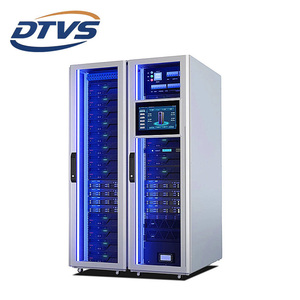
| DTVS Smart Micro-Module System | Universal 3-Phase / Single Phase AC | N+1 Redundant UPS Control | PUE < 1.25 System Level | High-Density Edge Computing, Banking Networks, Defense Command Modules |
As a premier manufacturing enterprise operating since 1957, our factory model is built on absolute vertical integration, total supply chain transparency, and stringent quality governance. Unlike trading companies or re-badgers, every unit that leaves our production line undergoes rigorous 100% full-load burn-in testing, high-potential (Hi-Pot) safety verification, and parametric calibration.
Our facilities in Easton, Pennsylvania, Melbourne, Florida, and partner advanced manufacturing centers maintain strict alignment with ISO 9001:2015 quality standards. Key operational benchmarks include:
System integrators, electrical contractors, and OEM buyers must anticipate upcoming technological shifts when specifying long-lifecycle equipment. The convergence of renewable energy, artificial intelligence, and mobile electrifications is reshaping procurement specifications across four key vectors:
Traditional industrial setups rely heavily on AC distribution, requiring multiple rectification and inversion steps that introduce 12% to 18% thermal energy loss. Next-generation procurement heavily favors 48V DC-native cabinet cooling and hybrid AC/DC solar power conditioning. By pairing solar PV arrays directly with DC inverter compressors, industrial sites achieve zero-loss daytime cooling while reducing reliance on central utility grids.
As AI workloads shift from centralized datacenters to local edge networks, micro-module server racks (such as the DTVS series) are replacing traditional server rooms. Procurement demands now prioritize unified, factory-integrated racks containing UPS battery backup, pure sine wave power conditioning, precision air conditioning, and IoT-enabled environmental monitoring inside a single SPCC steel envelope.
Logistics fleets, mining operations, and commercial transport face stringent anti-idling regulations globally. Sourcing strategies are rapidly pivoting toward split-type and all-in-one 12V/24V electric DC parking coolers. These units allow operators to maintain cab climate control for over 10 hours using auxiliary battery packs without running the main internal combustion engine, yielding dramatic fuel cost reductions and lower carbon footprints.
Global environmental mandates (such as the Kigali Amendment and EU F-Gas regulations) are accelerating the phase-out of high-GWP (Global Warming Potential) synthetics. High-efficiency DC compressors utilizing eco-friendly R134a and low-GWP alternatives, combined with electronic expansion valves, now achieve Coefficients of Performance (COP) exceeding 3.2 under demanding outdoor ambient conditions (+55°C).
To ensure reliable system operation and avoid premature equipment shutdown, design engineers should follow standardized electrical and thermal calculation methodologies:
When sizing cabinet air conditioners (such as the AC800W 48VDC series), calculate total internal heat generation ($Q_{total}$) using:
Q_total = Q_equipment + (A * k * ΔT)
Where:
• Q_equipment = Sum of heat lost by internal drives, power supplies, and PLCs (Watts)
• A = Total exposed cabinet surface area (m²)
• k = Heat transfer coefficient of enclosure material (~5.5 W/m²°C for painted steel)
• ΔT = Outdoor Ambient Temperature (°C) - Desired Internal Cabinet Temperature (°C)
For high-inrush inductive loads (motors, compressors, pumps), power conditioners must be sized to accommodate start-up surge currents. A standard safety factor ($S_f$) of 1.3 to 1.5 should be applied to continuous load wattages. In environments operating above 40°C, apply a linear derating factor of 2.5% per degree Celsius rise to ensure long-term capacitor and magnetic core life.
Clear, transparent answers to essential engineering, compliance, and ordering questions frequently submitted by global B2B buyers and contract manufacturers:
Standard catalog units and standard 3-day series models are freshly manufactured, tested, and dispatched within 3 business days of order confirmation. Custom multi-output power systems, custom SPCC rack configurations, and specialized cabinet air conditioners typically ship within 7 to 9 business days.
Our manufacturing operations adhere to an ISO 9001:2015 certified Quality Management System. Products comply with relevant international standards, including CE, RoHS, UL 508, ISO environmental protocols, and TAA guidelines for defense and government procurement contracts.
48VDC cabinet air conditioners connect directly to telecommunications, solar, or battery bank DC buses. They eliminate double-inversion energy losses, operate seamlessly during main AC power outages, feature variable-speed compressors with soft-start capability, and prevent severe voltage dips on primary power lines.
Yes. Off-grid solar hybrid units feature direct DC solar MPPT inputs alongside AC grid fallback. When solar radiation is sufficient, the system runs 100% on direct PV power. If solar energy drops below operational thresholds, the system seamlessly draws supplementary power from the grid or battery banks without interruption.
All metal-enclosed power conditioning units and industrial cabinet coolers are backed by a comprehensive factory warranty (up to 5 years on metal-enclosed power units). Full serial number traceability, spare parts availability, and direct technical engineering support are provided over the entire equipment lifecycle.
Yes. Our engineering department specializes in OEM/ODM co-development. We customize voltage inputs, mounting brackets, sheet metal footprints, custom paint finishes, communication interfaces (RS485, CAN bus, SNMP), and integrated metering to fit your exact operational requirements.